Correct ANZSCO Code
The code should reflect your actual tasks, responsibility level and professional field.

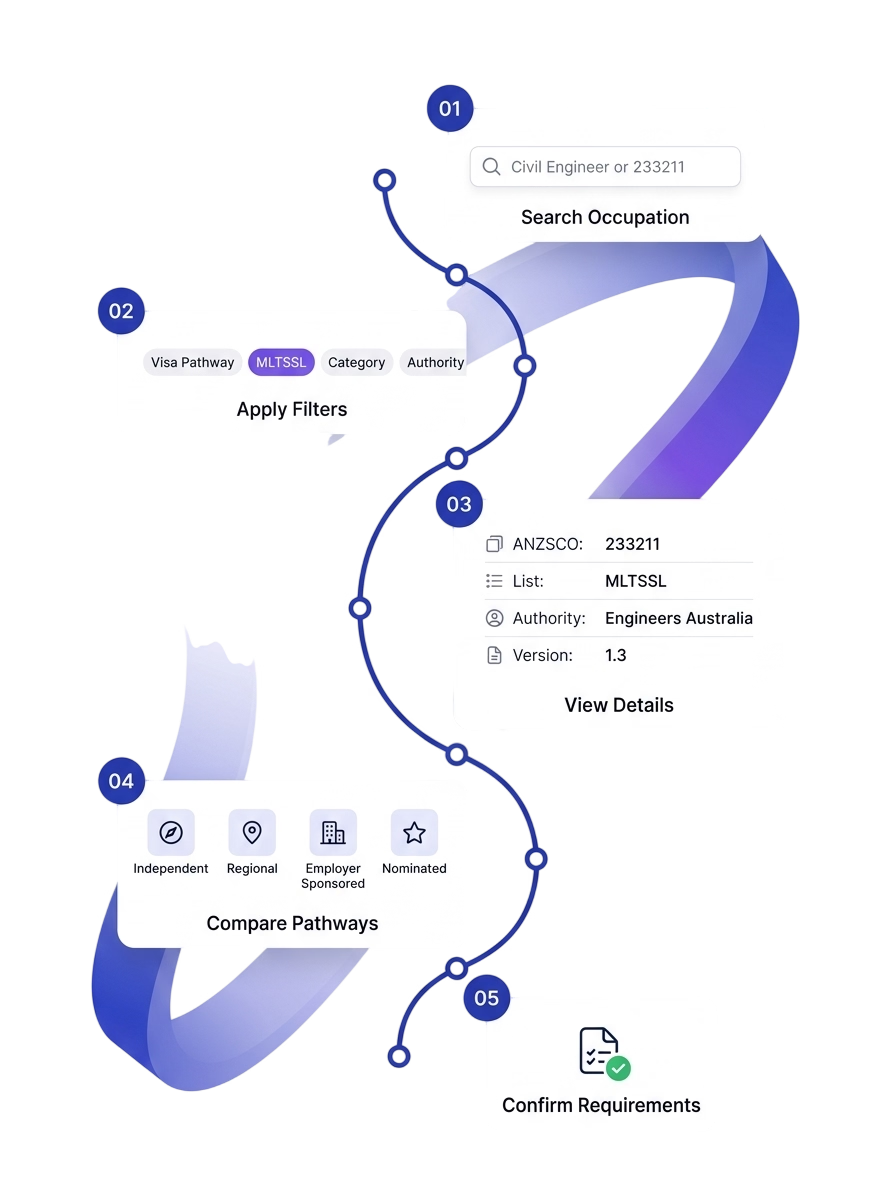
Search an occupation title or ANZSCO code. See its skilled lists, possible visa pathways, assessing authority and ANZSCO version in one clear result.
Use search, category and visa filters to narrow the list. Open any result for list status, pathways, authority and version details.
Enter an occupation or choose at least one filter, then view the matching results.
This finder organises current occupation list data. It does not confirm visa eligibility, state nomination or a positive skills assessment.
The finder connects an occupation code with its list membership, likely visa pathways, skills assessment authority and ANZSCO version.
Enter a job title or six digit ANZSCO code. The closest matches appear first.
Narrow results by skilled list, visa pathway, occupation category or assessment authority.
Review the occupation code, list status, authority and the main pathways linked to those lists.
See whether the lists may support independent, nominated, regional or employer sponsored options.
Check current legislation, state nomination rules and the assessing authority before making an application.
Your nominated occupation connects your work history with the skills assessment, visa list and nomination pathway.
The code should reflect your actual tasks, responsibility level and professional field.
List membership determines which main visa pathways may consider the occupation.
The authority decides whether your qualifications and experience meet its assessment standard.
The same code can have different titles or task descriptions across ANZSCO versions.
States and territories apply their own occupation priorities, work requirements and invitation settings.
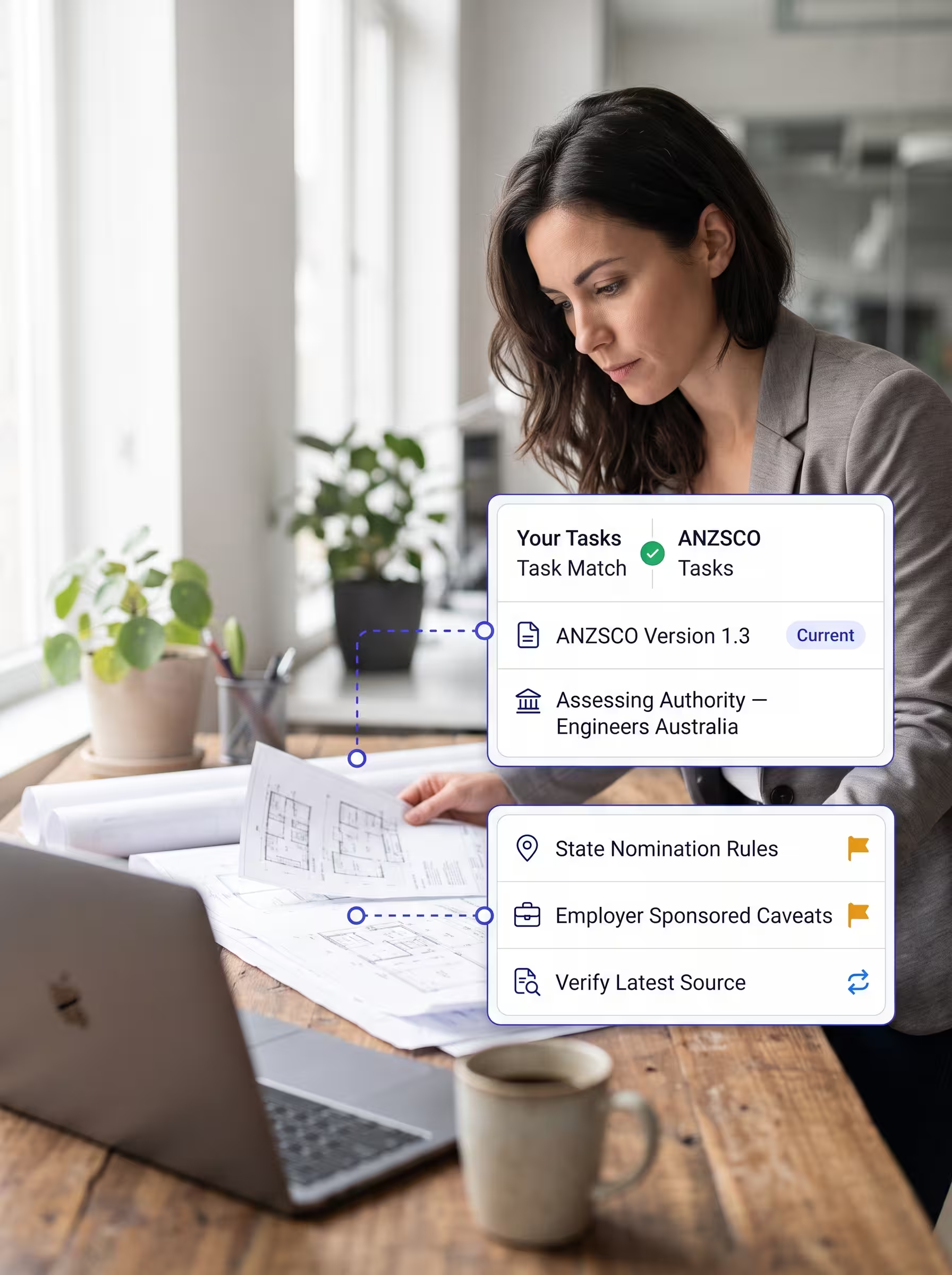
Choose the occupation whose ANZSCO tasks match your real responsibilities. A similar title alone is not enough.
Subclass 186 and 482 pathways use ANZSCO 2022. Other skilled pathways use ANZSCO 2013.
Each occupation has a nominated authority. Its qualification, experience and document rules can change your pathway.
Subclass 190 and state nominated subclass 491 places depend on each state or territory program.
Some subclass 186 and 482 occupations have caveats linked to salary, business size, location or role conditions.
Lists and assessment arrangements can change. Confirm the current instrument before you lodge an application.
The finder helps skilled applicants identify the right code before planning an assessment, expression of interest or employer nomination.
Compare professional engineering, technologist, drafting and technician codes with Engineers Australia pathways.
Find software, cyber security, systems, network and ICT management occupations across current lists.
Search construction, automotive, metal, electrical and mechanical trade occupations by code or title.
See which lists may support points tested or employer sponsored planning before further research.
Each list supports different visa programs. The table gives a practical overview of the pathways used by this finder.
| List | Main purpose | ANZSCO version | Typical pathways |
|---|---|---|---|
| MLTSSL | Occupations with medium and longer term national skills needs. | ANZSCO 2013 | Subclass 189, subclass 190, subclass 491 and some subclass 485 applications. |
| STSOL | Occupations used mainly for state and territory nomination. | ANZSCO 2013 | Subclass 190 and state nominated subclass 491. |
| ROL | Occupations available through regional state nomination settings. | ANZSCO 2013 | State nominated subclass 491. |
| CSOL | Occupations used by the Core Skills employer sponsored pathway. | ANZSCO 2022 | Subclass 482 Core Skills and subclass 186 Direct Entry. |
The relevant legislative instrument controls final occupation eligibility. State and territory nomination lists can be narrower.
A code can look suitable but still fail to match your work, assessment authority or intended visa pathway.
Job titles vary between employers. Match your duties and responsibility level against the ANZSCO description.
Employer sponsored visas and points tested visas do not always use the same ANZSCO version.
List membership does not mean every state currently accepts the occupation for subclass 190 or 491.
A positive skills assessment must come from the authority specified for your occupation and pathway.
Occupation inclusion is only one condition. Age, English, points, experience and nomination rules still apply.
Occupation lists and assessing authority arrangements can change. Confirm the latest official instrument before lodging.
Get guidance on occupation alignment, Engineers Australia category selection and the documents needed for your skills assessment plan.
Clear answers about ANZSCO codes, occupation lists, visa pathways, assessment authorities and nomination limits.